
It’s not just what we learn, it’s how we learn.
Small-group daytime learning for home-educated and flexi-schooled children aged 8-11
Some children do not need more pressure. They need someone who actually sees them.
Small-group daytime learning led by a current primary teacher, Teaching and Learning Coach and psychology graduate - someone who understands how children think, learn and what helps them engage.
Structure without recreating school: calm enough to feel different, skilled enough to move learning forward.
Beginning September 2026
Daytime sessions
Alderley Edge, Cheshire
A calm, structured and personal small-group approach, with a free consultation before joining so we can make sure it feels like the right fit for your child.
Tuesday afternoons. Weekly from September 2026.
1:00pm - 4:00pm
Maximum 4 children per session
What families notice
"From day one, our son felt that Mr Dodd was on his side, that they were a team, and this created a strong sense of mutual respect that has been invaluable."
Parent of boy aged 9
Children learn best when they feel safe, understood and genuinely cared for.
What changes for children
The aim is not just better learning. It is a child who feels more capable, confident and understood.
Many children do not lack ability. They have lost confidence, become anxious around learning, or stopped believing that success is possible. The right relationship, environment and teaching approach can begin to change that.
From
Avoids learning
Towards
Begins to re-engage with more confidence and less resistance.
From
Feels anxious or overwhelmed
Towards
Feels calmer because the environment is smaller, safer and more personal.
From
Hides confusion
Towards
Starts to ask questions, talk through ideas and take learning risks.
From
Believes they are not good at learning
Towards
Builds self-belief through carefully supported success.
When children feel safe, known and successful, learning often starts to feel different. That is where real progress begins.

David Dodd
BSc (Hons) Psychology - Primary PGCE - QTS
Current primary school teacher
Teaching and Learning Coach within the North Manchester Primary Federation
Significant SEND and neurodivergent experience
Enhanced DBS Checked - Level 3 Safeguarding Trained - First Aid Trained
Professional trust
Trusted to teach children and support other teachers.
Many of the children I work with benefit from a calmer, more personal approach to learning. Some have found busy learning environments difficult, some feel anxious or overwhelmed, and others may have needs linked to ADHD, autism, dyslexia, dyspraxia and wider SEND needs. Often, they do not need more pressure. They need trust, structure, warmth and someone who takes time to understand how they learn.
My experience includes mainstream teaching, specialist SEND settings, autism youth club work and many years supporting children who need learning to feel safer, calmer and more carefully adapted. That matters because this is not generic tutoring. It is teaching shaped by real classroom experience, psychology, behaviour understanding and professional judgement.
I am a current primary school teacher and Teaching and Learning Coach within the North Manchester Primary Federation, with a degree in Psychology, fifteen years of experience across KS1 and KS2, and significant work with SEND and neurodivergent children.
I work in education every day, and my wider role includes coaching teachers, staff development, behaviour-focused CPD and supporting relationship-led practice across classrooms.
I teach children every day, while also supporting and coaching other teachers across classrooms.
That experience helps me respond thoughtfully when a child needs more confidence, a different starting point, sensory awareness, clearer structure, or a gentler way back into learning.
Teacher expertise
Current classroom practice, not outdated theory.
Psychology-informed
Understanding behaviour, motivation and confidence.
Relationship-led
Trust and connection before real engagement.
SEND experience
Thoughtful support for different needs, sensory demands and learning styles.
Children are far more likely to engage, communicate and take risks in learning when they feel respected, understood and genuinely known. Strong relationships, mutual respect and carefully supported success can have a powerful impact on confidence, self-belief and a child’s willingness to keep trying when learning feels difficult.
When children feel safe, understood and capable, they are more likely to engage, take risks and begin to make meaningful progress.
For home-educating families balancing freedom, learning and family life
Freedom, flexibility and calm - without having to do every part of it alone.
Many parents choose home education because they want something calmer, more personal and more responsive for their child. But it can also feel like carrying everything alone - balancing learning, structure, social opportunities and family life at the same time.
Many home-educating families already provide rich, meaningful experiences for their children through everyday life, conversations, walks, creative projects, trips, reading, outdoor learning and time together. This is not about replacing what you already do. It is about complementing it - adding a calm, carefully taught space where your child can build confidence alongside others, learn to talk and listen in a group, and continue moving forward in learning.
Your child gets structured learning, carefully supported peer interaction and social confidence-building, while you get a reliable three-hour block each week to work, rest, plan or focus on other responsibilities.
It is not just about what your child learns. It is about what your whole family gains.
A warm, safe and engaging place where children are taught with skill, humour and care.
• A reliable 3-hour weekly learning block
• Maximum 4 children per session
• Calm, structured and nurturing environment
• Carefully supported peer interaction
• Reading, writing, Maths, oracy and wider curriculum learning
• Structure without recreating school
What this looks like in practice
Understanding the child is not a slogan. It shapes how the learning is planned, taught and adjusted.
Motivation
I look for what gives a child energy, pride and buy-in, then use that as a route into learning.
Interests
A child’s interests are not treated as distractions. They are often the doorway into deeper engagement.
Confidence
Some children need success to feel possible again before they can take risks in English, Maths or wider learning.
Pace and structure
I adjust the level of support, challenge, movement, talk and independence so learning feels manageable and purposeful.
For example, a child who appears reluctant may not need more pressure. They may need a different starting point, a stronger relationship, a clearer sense of success, a calmer environment, or learning connected to something that genuinely interests them.
Professional endorsement
"David is a consistently outstanding teacher in terms of both his delivery and the outcomes his children achieve. He has taught across the primary age range and has worked extensively in Year 6 in recent years. He is exceptionally skilled at meeting the needs of children through tailored learning experiences and adapting his teaching where needed."
Executive Headteacher
What families say
Families speak about children feeling seen, trusted and more confident.
"Mr Dodd is an exceptional teacher. His passion for the psychology of how boys learn has enabled him to truly understand our son’s learning style and engage his full potential in a fun, nurturing way."
Parent of boy aged 8
"He has worked closely with us to tailor the tutoring to each child’s needs, and we consistently feel real value in every session."
Parent of girl aged 9
"From day one, our son felt that Mr Dodd was on his side, that they were a team, and this created a strong sense of mutual respect that has been invaluable."
Parent of boy aged 9
"From the outset, Mr Dodd took the time to fully understand our son: his struggles, his interests, what motivates him, and what holds him back. Connection and understanding come first, and the teaching follows naturally."
Parent of boy aged 8
Free consultation before joining
Before your child joins, we make sure it feels right.
Before you commit to anything, we begin with either a free home visit, video call or phone consultation. We talk about your child, their needs, what they enjoy, what helps them feel confident, and whether this approach feels like the right fit for your family.
This also gives us time to think carefully about the group dynamic, the learning environment and whether your child would feel safe, comfortable and ready to engage.
If it does not feel like the right fit, I will say so. I would rather be honest than place a child somewhere that is not right for them.
The right fit matters more than filling a place.
How it works
A clear process before any weekly place is agreed.
1. Enquiry
You get in touch and share a little about your child, your situation and what you are looking for.
2. Initial consultation
We arrange a free home visit, video call or phone consultation to talk about your child, their needs and whether the group feels like the right fit.
3. First session
Your child attends a first session so we can see whether the setting, group and approach feel right.
4. Reserved weekly place
If it feels like a strong fit, your child has a consistent weekly place from September 2026.
Places are limited to four children per session. When full, I operate a waiting list — I do not expand group size.
Weekly place
A reserved weekly place for consistent support, confidence and progress.
A reserved weekly place is £180 for each 3-hour session. This reserves your child’s place in a consistent small group of no more than four children, with careful planning, skilled teaching, supported social learning and a strong focus on confidence, engagement and progress across reading, writing, Maths, oracy and wider curriculum learning.
The value is not only in the teaching time. It is in the consistency, the relationship, the careful group dynamic and the confidence children build through learning alongside others. Parents receive regular communication about how their child is settling, engaging, building confidence and progressing across learning.
The free consultation comes before any commitment, so we can make sure this is the right fit for your child and your family.
It is a committed weekly place, built around relationship, trust and purposeful learning.
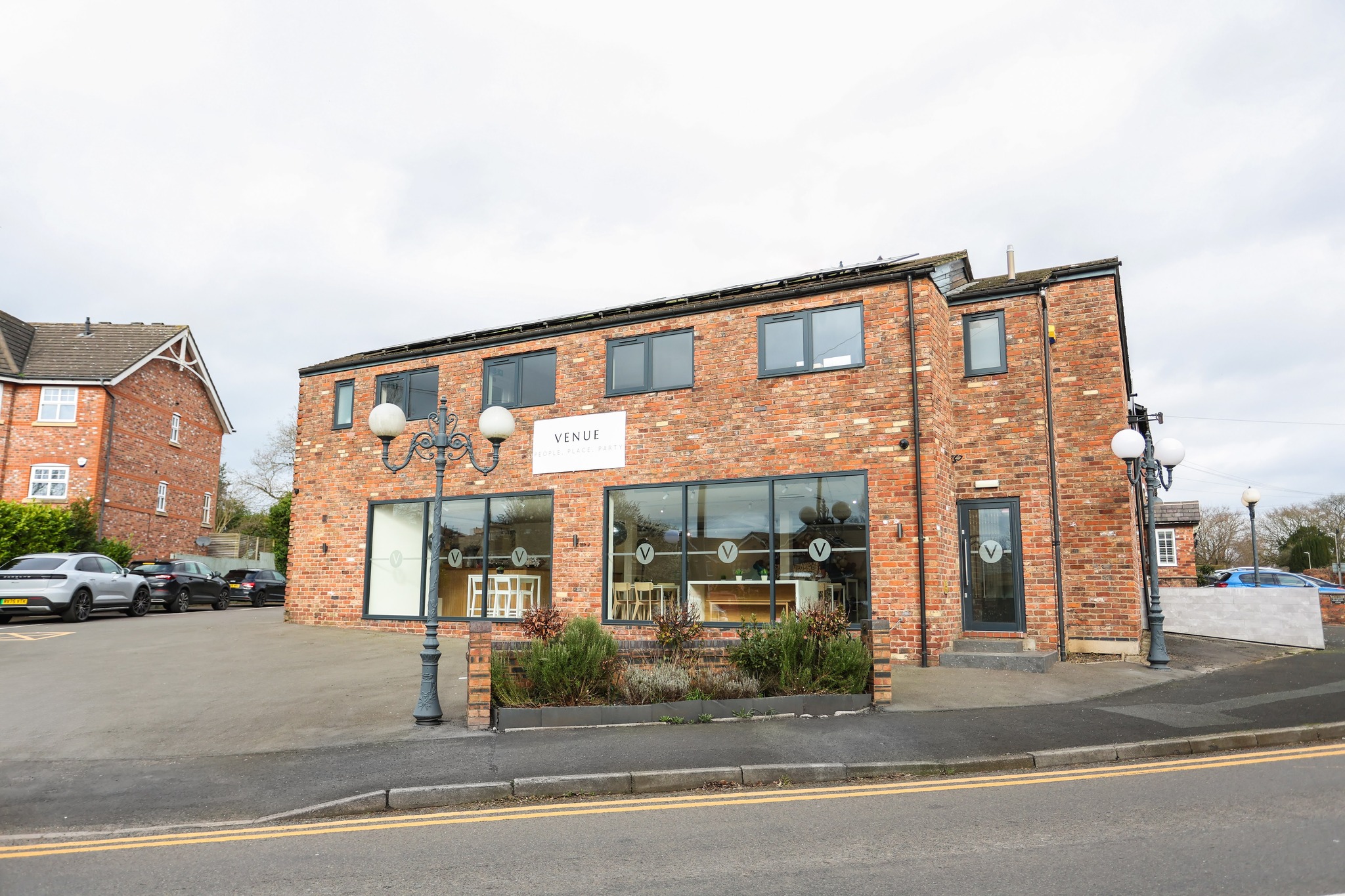
Venue confirmed
Tuesday sessions now have a home.
I am pleased to offer a dedicated venue space in Alderley Edge, Cheshire for daytime sessions starting in September 2026.
This gives families a clear, consistent place for focused learning each week, while keeping the small-group, relationship-led approach at the heart of everything.